

Blog / Cadillac Dealer

2026 Cadillac CT5: A New Era of Luxury

cadillac ct5 temecula, ca

The modern luxury sedan walks a tightrope. It must deliver refinement without detachment, performance without vulgarity, and technology without theatrical excess. The 2026 Cadillac CT5 attempts to balance those demands with measured confidence. 

In Temecula, CA — where highway miles, urban commutes, and long coastal drives all coexist — that balance matters. 

Advanced Technology, Properly Integrated 

The centerpiece of the CT5’s interior is a sweeping 33-inch diagonal advanced LED display. It is not simply large; it is intelligently executed. Navigation, performance data, and infotainment coexist in a layout that feels cohesive rather than cluttered. 

Google built-in integration ensures seamless access to maps, media, and voice control. A 5G Wi-Fi hotspot keeps passengers connected without turning the cabin into a tangle of cables. 

Available Super Cruise® hands-free driver assistance technology remains one of the more credible highway systems available. On compatible roads, it reduces workload without diminishing the sense of control. It assists. It does not intrude. 

Performance with Intent 

The CT5 offers two distinctly tuned engines. 

The standard 2.0L Turbocharged engine produces 237 hp and 258 lbs. ft. of torque, delivering smooth, linear acceleration suited to daily driving. For those seeking sharper response, the available 3.0L Twin-Turbocharged V6 generates 335 hp and 405 lbs. ft. of torque, providing meaningful pace without sacrificing composure. 

Paired with a refined transmission and available AWD, the CT5 maintains balance through corners and stability at speed. The Driver Mode Selector adjusts throttle mapping and steering weight, allowing the car to adapt to both relaxed cruising and more spirited stretches of road. 

A Cabin That Understands Restraint 

Inside, the CT5 avoids excess. Leather seating surfaces, available carbon fiber accents, and carefully judged stitching create an environment that feels tailored rather than ornate. 

Front seats offer available heating, ventilation, and massage functionality, enhancing long-distance comfort. With seating for 5 and 11.9 cu. ft. of trunk space, the CT5 remains practical without compromising elegance. 

Externally, stacked LED lighting and a crisply defined front fascia give the sedan unmistakable presence. Trims such as Premium Luxury and Sport offer subtle variations in character, while the V-Series variant introduces a more performance-focused aesthetic. 

Safety with Substance 

The CT5 incorporates more than 16 standard driver-assistance features, including Blind Zone Steering Assist, Intersection Automatic Emergency Braking, and Driver Attention Assist. Enhanced Automatic Parking Assist further simplifies tight urban maneuvers. 

These systems operate discreetly, supporting the driver rather than overwhelming them with alerts. 

Experience the 2026 Cadillac CT5 in Temecula 

The 2026 Cadillac CT5 represents a carefully considered approach to modern luxury. It combines intelligent technology, disciplined performance, and restrained elegance into a cohesive whole. 

Visit Paradise Cadillac in Temecula, CA, explore the available trims, and experience firsthand how the CT5 redefines the contemporary American luxury sedan. 
Posted in:

Related Posts

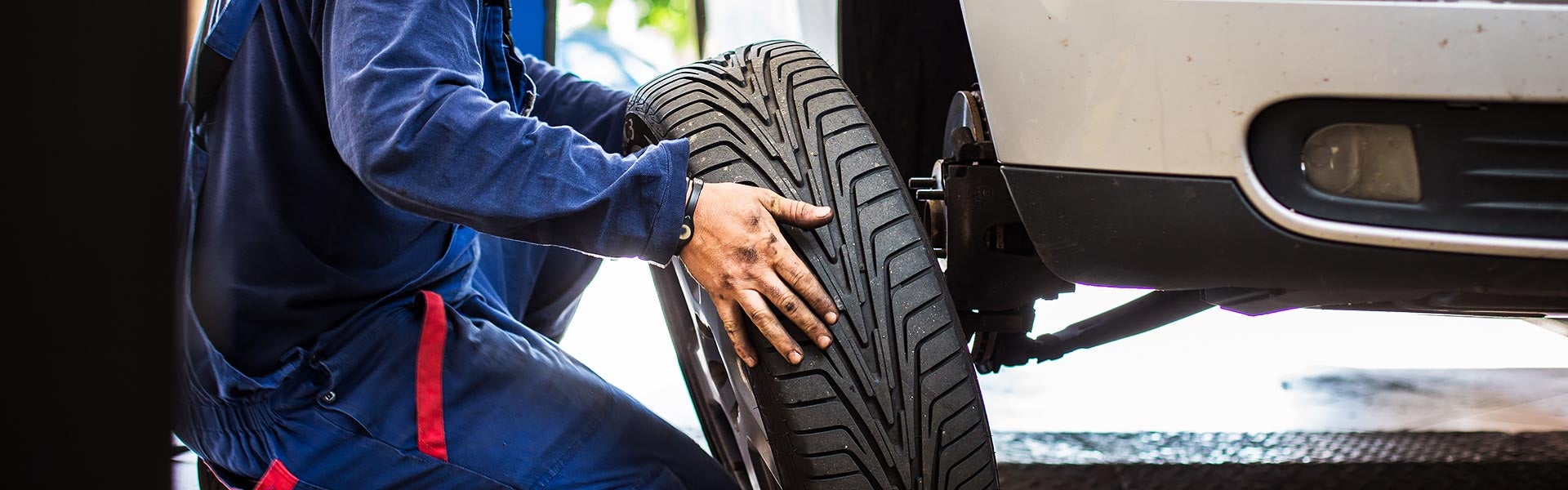
Auto technician changing a car tire in a service shop

Parts of a Car Wheel and Tire: Your Complete Guide

You probably think you know about your car’s wheel and tire assembly. The tire is the black rubber ring with grooves, and the wheel holds the tire to the car, and they turn, and that makes the car move. That’s not quite it. There are actually multiple parts that make up the tire and wheel assembly on your vehicle, and it’s important to know about each one and how they work together. No matter if you drive a Cadillac LYRIQ, an Escalade, or any other vehicle in Temecula, CA, it’s important to know what’s going on with your wheels and tires. What Are the Main Parts of a Car Wheel? The wheel is the metal structure that mounts to your vehicle and supports the tire. Here is a breakdown of its primary components: The center bore is the opening at the center of the wheel that fits over the vehicle’s axle hub. The surrounding mounting pad connects the wheel assembly to the drivetrain. The lug nuts fasten the wheel to the hub studs. Most passenger vehicles use four to six lug nuts per wheel. These must be torqued to manufacturer specification—overtightening or undertightening can cause warping or dangerous wheel detachment. The wheel disc (or face) is the spoked or solid center section visible from the front. It links the central mounting area to the outer rim and gives the wheel its visual style. The rim is the outer circular structure that holds the tire. It features bead seats where the tire creates an airtight seal and a drop-center channel for mounting and demounting. The valve stem is the port used to inflate or deflate the tire. What Are the Main Parts of a Car Tire? The tire is the rubber component that fits over the rim and makes direct contact with the road. Its construction is more complex than it looks from the outside. The tread is the outermost layer of the tire and the only part that touches the road. The sidewall runs between the tread and the bead. It protects the internal structure of the tire and displays important information including the tire size, load index, speed rating, and DOT safety code. Sidewall cracks or bulges are signs the tire needs immediate inspection. The bead is the inner edge of the tire that seals against the rim. It's reinforced with steel wire and must seat correctly to hold air pressure and keep the tire locked to the wheel. The belt package sits beneath the tread and typically consists of steel belts layered at opposing angles. These belts stabilize the tread, resist punctures, and help the tire maintain its shape at highway speeds. The body ply forms the structural foundation of the tire, running from bead to bead and holding everything together. The inner liner is a rubber layer inside the tire that acts as a built-in tube, keeping air from leaking. How Often Should You Check Tire Pressure and Tread Depth? You should check tire pressure at least once a month and before any long road trip. Tire pressure fluctuates with temperature - for every 10-degree Fahrenheit drop, tires typically lose about 1 PSI of pressure. A quick way to gauge tread depth is the penny test - insert a penny into the tread groove with Lincoln's head pointing down. If you can see the top of his head, the tread is at or below 2/32 inches and the tire should be replaced. How Are Wheel and Tire Sizes Determined? Tire size is encoded in the alphanumeric string on the sidewall. For example, a tire marked 255/55R20 breaks down like this: 255 is the tread width in millimeters, 55 is the aspect ratio (sidewall height as a percentage of tread width), R indicates radial construction, and 20 is the wheel diameter in inches. Matching the correct tire size to your vehicle's specifications ensures proper handling, speedometer accuracy, and load capacity. Visit Paradise Cadillac for Tire and Wheel Service Understanding the parts of a car wheel and tire gives you real confidence when it comes time for maintenance, rotation, or replacement. From valve stems to bead seats to TPMS sensors, every component plays a role in your safety and driving experience. If you have questions about your tires or wheels, the service team at Paradise Cadillac is ready to help. Visit us at Paradise Cadillac or stop by to speak with a service advisor - because drivers throughout Temecula deserve a team that knows their Cadillac inside and out.

Mechanic installing a brake pad on a car brake rotor

Cadillac Brake System Components Explained

Have you ever wondered what's actually happening when you press the brake pedal in your Cadillac Escalade, LYRIQ, or CT5? There are actually a lot of moving parts that go to work when you hit your brakes. Your brakes are one of the most important safety systems on your vehicle, yet most drivers know very little about how it works. This guide breaks down each major component, so you know exactly what to look for - and when to go for service at Paradise Cadillac in Temecula, CA. The Brake Pedal and Master Cylinder The brake pedal is your direct connection to the entire braking system. When you press it, you're activating the master cylinder, which converts your foot's mechanical force into hydraulic pressure. That pressure travels through brake lines and hoses to reach the brakes at each wheel. The master cylinder contains brake fluid, which transmits pressure throughout the system. If the master cylinder develops a leak or the fluid becomes contaminated, you may notice a soft or spongy feeling underfoot - one of the most common symptoms of bad brakes or a compromised hydraulic system. Brake Calipers, Rotors, and Pads These three components work together to actually slow and stop the vehicle. When hydraulic pressure reaches the caliper, it squeezes the brake pads against the rotor - a large metal disc that spins with the wheel. That friction is what brings your Cadillac to a stop. On performance-focused models like the CT5-V and CT4-V, the braking hardware is engineered to handle significantly more heat and stopping force than a standard setup. Rotors can warp under extreme heat, and pads wear down over time. Symptoms of bad brakes in this area often include squealing or grinding noises, vibration through the steering wheel, or a pulsating sensation when slowing down. The Anti-Lock Brake System (ABS) The anti-lock brake system, or ABS, prevents your wheels from locking up during hard braking. This is especially important on wet or slippery roads, where a locked wheel can cause a loss of steering control. ABS uses wheel speed sensors to detect when a wheel is about to lock, then rapidly modulates brake pressure to maintain traction. You’ll feel it as a pulsating sensation from the brake pedal, and the car may shake slightly; this is normal and not a sign of a problem. Cadillac includes ABS as standard equipment across its entire lineup - from the compact CT4 sedan to the full-size Escalade IQ and Escalade IQL electric SUVs. A dashboard warning light labeled "ABS" is often the first sign that something in this system needs attention. Brake Lines, Hoses, and Brake Fluid Brake lines are metal tubes that run from the master cylinder to near each wheel. At points that need flexibility - like at the front suspension - rubber brake hoses take over. Both can crack, corrode, or develop leaks over time, causing a drop in hydraulic pressure. Brake fluid is hygroscopic, meaning it absorbs moisture from the air. As moisture content rises, the fluid's boiling point drops, which can cause brake fade during repeated hard stops. Checking and replacing brake fluid on schedule is one of the simplest ways to maintain your system's performance. The Parking Brake The parking brake - sometimes called the emergency brake - operates independently from the main hydraulic system. On many newer Cadillac models, this is an electronic parking brake controlled by a button or switch rather than a traditional lever. It holds the vehicle stationary when parked and can serve as a backup in an emergency. Why Brake Health is Important No matter which model you drive, routine brake inspections are essential. Drivers in Temecula deal with a range of driving conditions - from stop-and-go traffic to highway driving - all of which put regular demand on your brakes. If you're noticing any symptoms of bad brakes, such as unusual noises, longer stopping distances, or a warning light on your instrument cluster, it's time to have your system inspected. Visit Paradise Cadillac for a Brake Inspection Understanding your Cadillac’s brake system components is the first step toward keeping your vehicle safe and performing at its best. The team at Paradise Cadillac is ready to help with certified service, genuine parts, and expert technicians who know your vehicle inside and out. Stop by or visit Paradise Cadillac to schedule your appointment today.

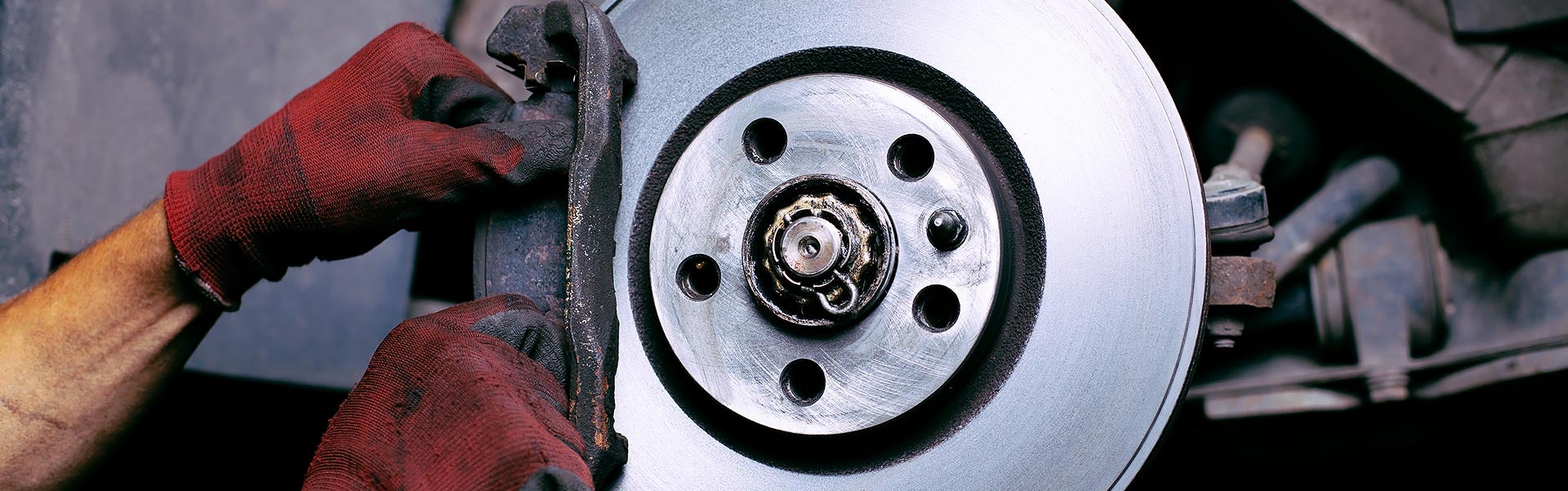
Mechanic wearing red work gloves servicing a car's disc brake assembly

Brake Service: What Every Cadillac Owner Needs to Know

Owning a Cadillac means enjoying a refined driving experience built around performance, comfort, and experience-centric technology—but none of that matters if your brakes aren't working properly. Brake service is one of the most important parts of keeping your vehicle safe and dependable, whether you're driving a dynamic CT5 sedan or a futuristic icon like the Escalade IQ. Understanding what to watch for on your drives around Temecula, California, and when to act can save you from costly repairs down the road. Why Brake Service Matters for Cadillac Vehicles Cadillac models are precision-engineered with high performance in mind, which means your braking system works hard every time you drive. From the powerful Escalade-V to the all-electric LYRIQ, each vehicle relies on a well-maintained brake system to deliver the stopping power you expect from a vehicle with such capability. Routine brake service helps preserve that performance. Worn pads, low fluid, or degraded rotors can reduce braking efficiency and put extra stress on other components. Staying on top of this part of your auto maintenance routine is one of the smartest things you can do as a Cadillac owner. Common Signs Your Brakes Need Attention Your brakes will usually give you clear signals when something is wrong. Here are some of the most common warning signs to keep in mind: Squealing when you slow down points to worn brake pads. Grinding indicates metal-on-metal contact—meaning your pads have worn enough that your rotors are at risk. A soft or spongy feeling when you press the pedal can signal low brake fluid or air in the brake lines. If your vehicle pulls to one side during braking, it’s likely uneven pad wear or a stuck caliper. Vibration through the steering wheel or brake pedal is often a sign of warped rotors. Any of these symptoms are worth having inspected promptly. How Often Should You Schedule Brake Service? There's no single universal answer, since driving habits and conditions vary. As a general guideline, most brake pads should be inspected every 12 months or 12,000 miles, whichever comes first. Brake fluid is typically recommended for replacement every 2 years. If you frequently drive in stop-and-go traffic, tow heavy loads, or navigate hilly terrain around Temecula, California, your braking components may wear faster than average. More frequent checkups are a smart move in those situations. Regular auto maintenance appointments make it easy to stay ahead of any brake-related issues before they become more serious. What Happens During a Brake Inspection? A professional brake service includes a thorough inspection of your entire braking system. A technician will check brake pad thickness, rotor condition, caliper function, brake fluid level and quality, and brake lines for any signs of leaks or damage. Depending on what's found, service may include replacing pads, resurfacing or replacing rotors, bleeding and flushing the brake fluid, or adjusting the rear drum brakes if your model is equipped with them. Cadillac-certified technicians are trained to work specifically with your vehicle's systems, ensuring everything meets the standards your car was built to. Visit Us for Reliable Brake Service in Temecula, CA Brake service isn't something to put off. Whether you drive a sporty CT4, a family-friendly XT5, or a fully electric OPTIQ, maintaining your brakes is a core part of responsible vehicle ownership. If you've noticed any warning signs or it's simply been a while since your last inspection, now is a great time to schedule an appointment. Stop by Paradise Cadillac at to get the expert care your vehicle deserves.