


There are actually a lot of moving parts that go to work when you hit your brakes. Your brakes are one of the most important safety systems on your vehicle, yet most drivers know very little about how it works. This guide breaks down each major component, so you know exactly what to look for - and when to go for service at Paradise Cadillac in Temecula, CA.
The Brake Pedal and Master Cylinder
The brake pedal is your direct connection to the entire braking system. When you press it, you're activating the master cylinder, which converts your foot's mechanical force into hydraulic pressure. That pressure travels through brake lines and hoses to reach the brakes at each wheel.The master cylinder contains brake fluid, which transmits pressure throughout the system. If the master cylinder develops a leak or the fluid becomes contaminated, you may notice a soft or spongy feeling underfoot - one of the most common symptoms of bad brakes or a compromised hydraulic system.
Brake Calipers, Rotors, and Pads
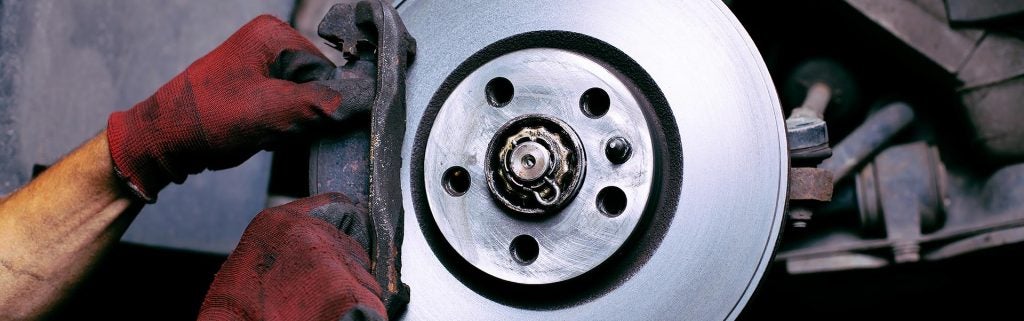
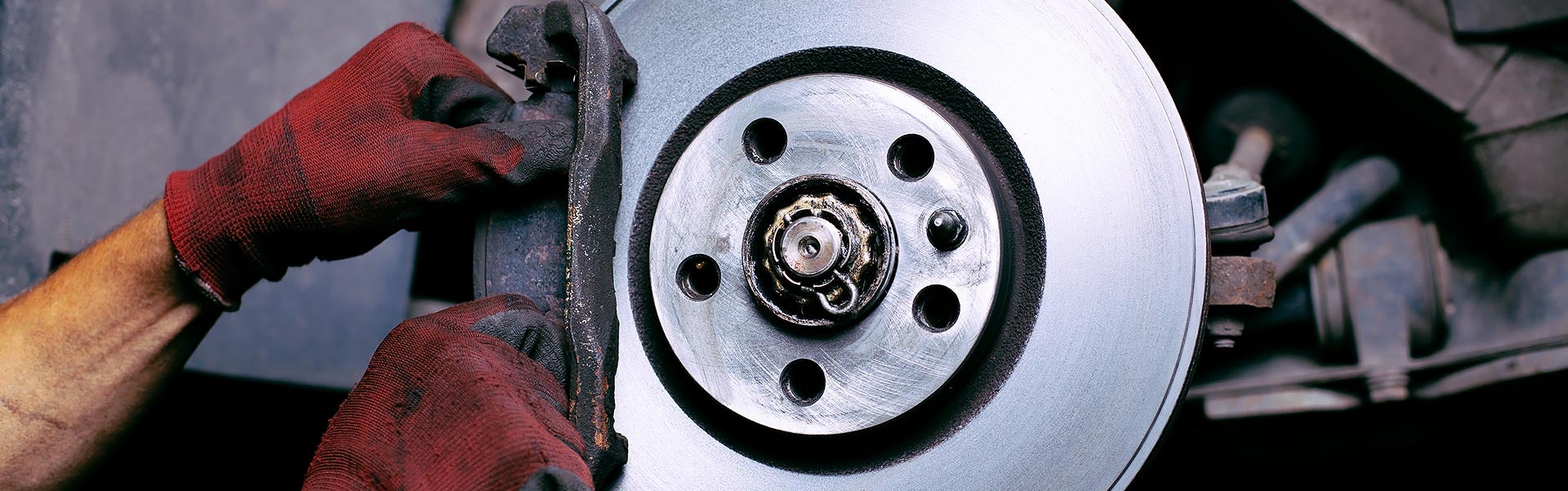
These three components work together to actually slow and stop the vehicle. When hydraulic pressure reaches the caliper, it squeezes the brake pads against the rotor - a large metal disc that spins with the wheel. That friction is what brings your Cadillac to a stop.On performance-focused models like the CT5-V and CT4-V, the braking hardware is engineered to handle significantly more heat and stopping force than a standard setup. Rotors can warp under extreme heat, and pads wear down over time. Symptoms of bad brakes in this area often include squealing or grinding noises, vibration through the steering wheel, or a pulsating sensation when slowing down.
The Anti-Lock Brake System (ABS)
The anti-lock brake system, or ABS, prevents your wheels from locking up during hard braking. This is especially important on wet or slippery roads, where a locked wheel can cause a loss of steering control. ABS uses wheel speed sensors to detect when a wheel is about to lock, then rapidly modulates brake pressure to maintain traction. You’ll feel it as a pulsating sensation from the brake pedal, and the car may shake slightly; this is normal and not a sign of a problem.Cadillac includes ABS as standard equipment across its entire lineup - from the compact CT4 sedan to the full-size Escalade IQ and Escalade IQL electric SUVs. A dashboard warning light labeled "ABS" is often the first sign that something in this system needs attention.
Brake Lines, Hoses, and Brake Fluid
Brake lines are metal tubes that run from the master cylinder to near each wheel. At points that need flexibility - like at the front suspension - rubber brake hoses take over. Both can crack, corrode, or develop leaks over time, causing a drop in hydraulic pressure.Brake fluid is hygroscopic, meaning it absorbs moisture from the air. As moisture content rises, the fluid's boiling point drops, which can cause brake fade during repeated hard stops. Checking and replacing brake fluid on schedule is one of the simplest ways to maintain your system's performance.